
The India-EU FTA is Here: Is Your Carbon Strategy Ready for CBAM?
The India-EU FTA slashes tariffs on 99% of Indian goods, but for carbon-intensive sectors the real headline is CBAM. Here is how to protect your margins in the new era of green trade.
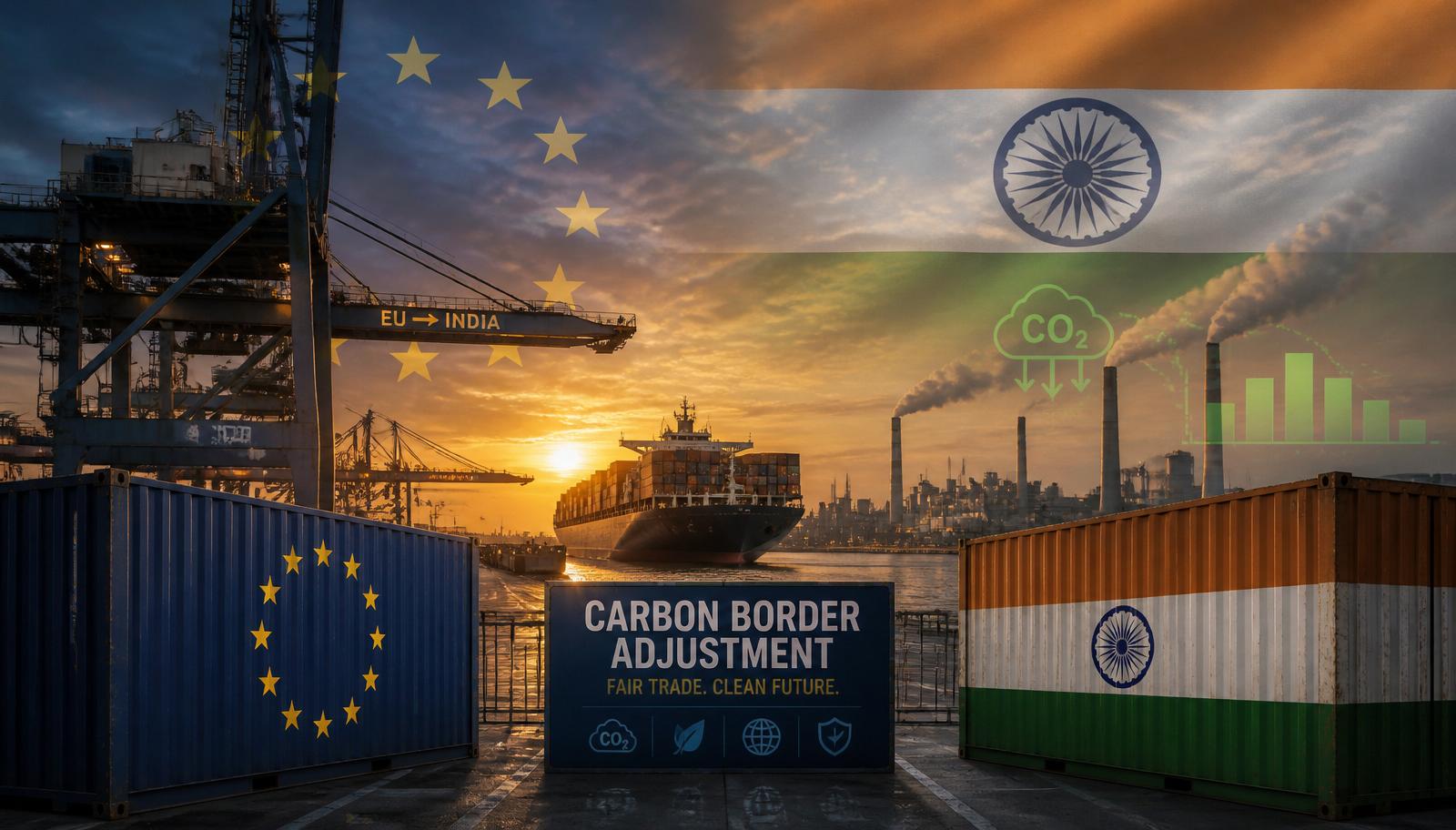
The landscape for Indian exports has just undergone a generational shift. With the formal conclusion of the India-EU Free Trade Agreement (FTA) this week hailed as the "Mother of All Deals" we are entering a new "zone of trust." While the agreement slashes tariffs on over 99% of Indian goods, for carbon-intensive sectors, the real headline isn't "zero duties" it's the Carbon Border Adjustment Mechanism (CBAM).
As a Carbon Credits Advisor, I've been tracking these negotiations closely. Here is what you need to know to protect your margins in this new era of green trade.
1. The FTA Paradox: Zero Tariffs vs. Carbon Taxes
The FTA removes traditional import duties (which recently spiked to 2-7% after the expiration of GSP benefits), but it does not exempt India from CBAM. As of January 1, 2026, the "definitive phase" of CBAM is live. For industries like steel, aluminum, and cement, the financial liability to purchase CBAM certificates is now a reality. Without a decarbonization strategy, the 20-35% "carbon tax" equivalent could effectively neutralize the competitive gains from the FTA.
2. The Strategic "Forward-MFN" Win
One major victory in the final FTA text is the Forward-Most Favored Nation (MFN) assurance. This ensures that if the EU grants any future CBAM relaxations or concessions to other partners (such as the US), those same terms will automatically apply to India. This creates a "parity shield," ensuring Indian exporters aren't at a disadvantage compared to global peers.
3. CCTS: Your Domestic Defense Mechanism
India's Carbon Credit Trading Scheme (CCTS) is our primary tool to avoid "carbon leakage" to European coffers.
- Expanded Coverage: On January 13, 2026, the government notified new emission intensity targets for 208 additional entities in sectors like petroleum refineries, petrochemicals, and textiles.
- The "Credit Offset": Under CBAM rules, if you pay a carbon price in India through the domestic market (ICM), that cost can be deducted from your EU liability. By participating in the CCTS, you keep your carbon capital within the Indian economy.
The India-EU FTA is a massive opportunity, but only for those who can navigate the "Green Protectionism" of 2026. The cost of carbon is no longer an "ESG metric" it is a permanent line item on your balance sheet.